

When you think of traditional Arab women’s fashion, the abaya probably comes to mind. But behind its flowing silhouette lies a rich blend of culture, identity, practicality, and modern style. Let’s take a closer look at why the abaya is so much more than just a black robe.
Arab women love wearing the abaya. In Gulf countries, the abaya is still a common go-to for both daily wear and formal occasions. Even in other Arab regions, people are really fond of it. At first glance, these abayas might all look pretty similar, but there’s actually a lot more to them than you’d think.
Abaya Is an Important Culture
The abaya isn’t tied to social class—it’s worn by everyone from everyday women to royals and officials’ wives. In places like Saudi Arabia and the UAE, wearing an abaya dress is a key part of dressing up for important events. It has become a strong symbol of traditional Arab women’s clothing.
Different Names for the Abaya Dress
Different countries call it by different names—like jilbab, djellaba, or simply “robe” in Chinese—and the styles vary depending on local customs. Not only do the names differ, but the way they’re designed, decorated, and worn also reflects the culture of each region.
How to Style and Wear the Abaya for Women
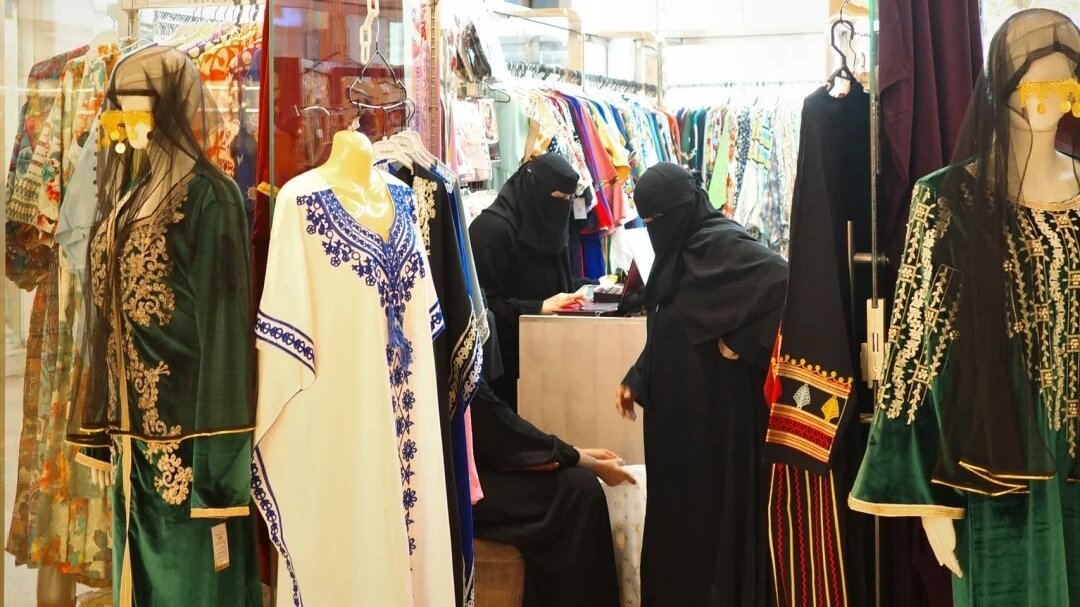
How women wear the abaya also varies. Some pair it with a hijab to cover their hair and neck, while others wear it with a niqab, leaving only the eyes visible for a more covered-up look. In some areas, women go for softer colors or beautifully decorated scarves to add a fashionable twist to the traditional outfit.
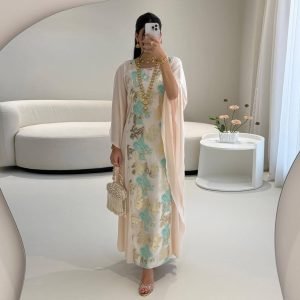
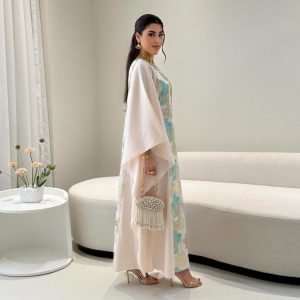
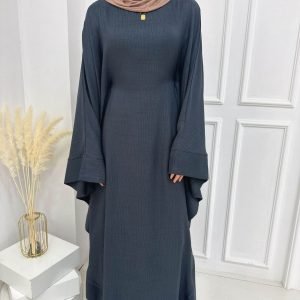
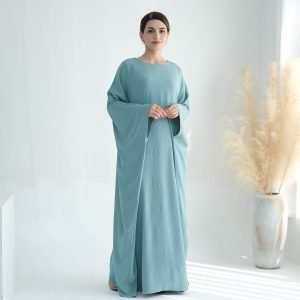
Style-wise, modern abayas go way beyond just black. While black is still the most popular color, you’ll also see deep navy, taupe, forest green, and other muted tones. Designers are adding all kinds of details like embroidery, lace, sequins, and tassels—keeping the dignified look of tradition while giving the abaya a stylish, personal touch.
Functionally, the abaya has gone beyond its religious roots. It’s not just for prayers or formal events anymore—you’ll see women wearing it to work, to parties, or even just out and about. Especially in Saudi Arabia, the UAE, and Qatar, the abaya dress is both a cultural identity and a lifestyle choice.
Abaya for Women Has a Long History
Robe-style clothing has deep roots in Arab history, and the abaya as we know it today has evolved over time—partly thanks to the natural environment.
Some adventurers have even done experiments in the desert: in the same heat, people in shirts were sweating and exhausted, while those in long robes stayed cool and relaxed. Turns out, the abaya blocks direct sunlight and creates a kind of airflow tunnel inside that helps release heat and moisture, keeping you surprisingly comfortable.
The Abaya Is Changing
Nowadays, with different cultures blending together around the world, the abaya is also changing. It’s no longer just a symbol of religion or tradition—it’s stepping into the world of modern fashion.
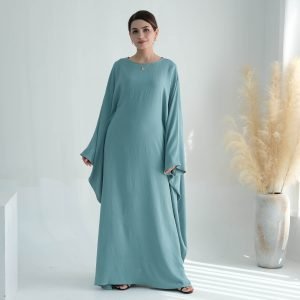
More and more designers are experimenting with styles, tailoring, and fabrics to create abayas that respect tradition but also have a sleek, urban feel—like butterfly abayas or open abayas. Think fitted waists, mixed materials, colorful embroidery—styles that many younger women are really into.