
The truth about Muslim women’s dress code: no, it’s not to scare you.
Have you ever seen a Muslim woman in a hijab or niqab or abaya dress and wondered why she wears it? Today, let’s clear up the mystery and share the beauty behind this choice.
It’s not about fear or oppression. In Islam, modesty is a core value. Just as people dress based on style or culture, Muslim women wear the hijab or niqab or abaya dress as an expression of faith, dignity, and self-respect.
Types of modest dress:
- Hijab – covers hair and neck.
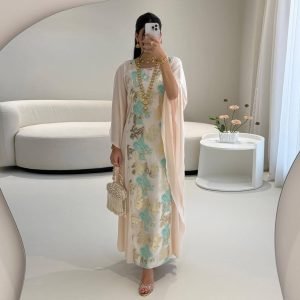
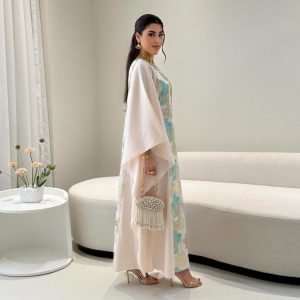
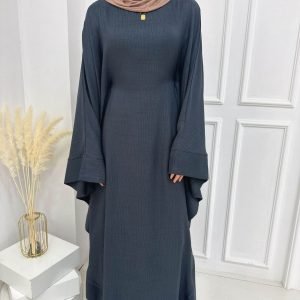
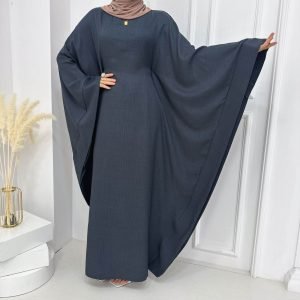
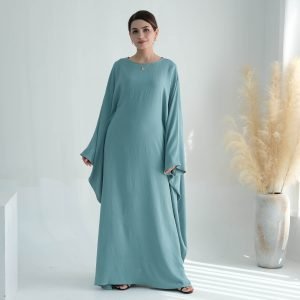
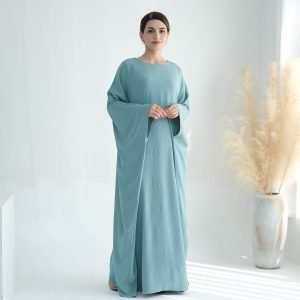
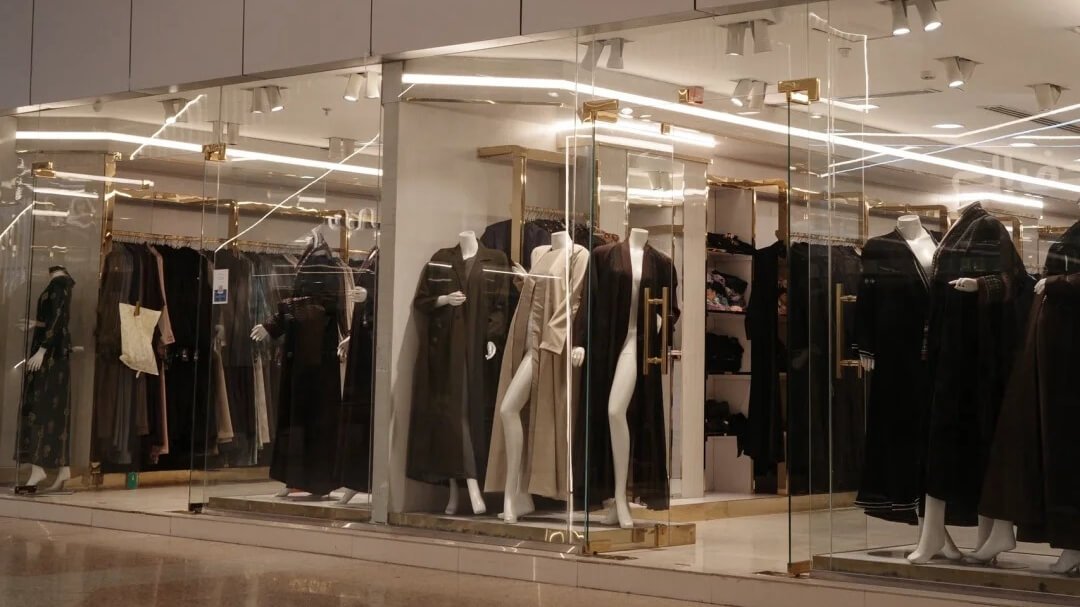
- Abaya – loose, flowing garment.
- Niqab – covers the face, leaving the eyes visible.
- Burqa – full body covering with a mesh screen.
Styles vary by region and personal preference. Some wear them, some don’t — and that’s okay.
Why do some women choose the niqab?
For many, the niqab is empowering. It allows them to control how they present themselves, to be valued for intelligence and character — not appearance.
They are professionals, students, and business women. The niqab doesn’t mean they are unapproachable; it’s simply a preference for privacy and modesty.
Common misconceptions include:
Muslim women are forced to wear it.
→ Many wear it by choice.
They can’t talk or socialize.
→ They have friends, families, and careers.
It’s a sign of oppression.
→ For many, it’s a symbol of liberation.
Finally, clothing is just one part of who we are. The next time you see a woman in hijab or niqab or abaya dress, smile. She’s just like you — living her life, making choices, and expressing herself in her own way.
Let’s replace fear with understanding. Respect all choices — hijab is not here to scare you. If you found this helpful, share with a friend.